Residential & Commercial Doors

Tag: residential doors

Smart Spending: Repair vs. Replace Your Garage Door

When your garage door stops operating smoothly, one big question comes to mind—should you repair it, or is replacement the smarter investment? While a quick fix may seem appealing, the long-term lifecycle costs tell a deeper story. In this blog, we’ll explore how to evaluate repair vs. replacement from a cost-efficiency standpoint, considering factors like system age, repair history, energy efficiency, and long-term value.
System Age & Wear: When Repair Makes Sense

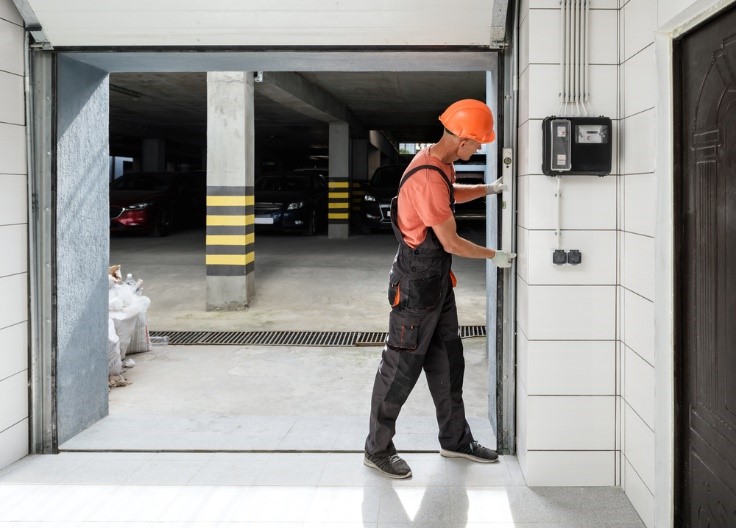
If your garage door system is relatively new—typically under 10 years old—repair is often the most cost-effective choice. Components like springs, rollers, or cables may simply need replacement due to normal wear. In these cases, repairing individual parts helps extend the door’s lifespan without the expense of a full system replacement. Routine maintenance and small repairs can keep your system running efficiently for years.

Frequent Repairs Add Up Over Time

However, if your door is older and has required multiple fixes, those repair bills can start stacking up. Motors wearing down, noise increasing, frequent breakdowns, and outdated safety sensors are all signs that the system is reaching the end of its useful life. In such cases, replacement may be more cost-effective than continuously patching an aging system. A new door can eliminate recurring costs and offer more reliable performance.

Energy Efficiency & Modern Features

Older garage doors typically lack the insulation and sealing technology found in today’s models. If your garage is climate-conditioned or attached to your home, upgrading to an insulated garage door can reduce energy loss and help lower utility bills. Additionally, new systems often include enhanced security features, quieter operation, and smart-home compatibility—all of which add long-term value beyond just cost savings.
Return on Investment & Home Value

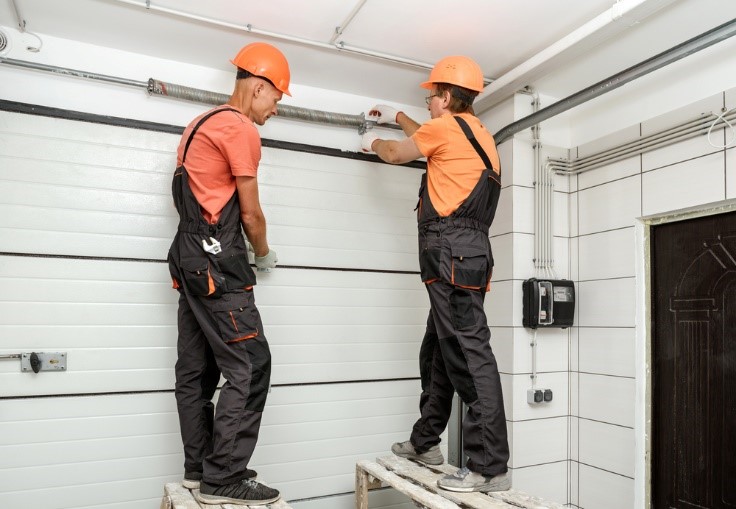
Replacing an outdated garage door system can significantly boost curb appeal and home resale value. According to industry reports, garage door replacement consistently ranks as one of the highest-return home improvement projects. While repairs maintain functionality, replacement enhances both performance and property value—making it a smart investment for homeowners planning to sell or modernize their home.

Related: When Is A Commercial Fire Door Replacement Needed?

Final Thoughts & Call to Action

Choosing between garage door repair and replacement depends on lifecycle costs, not just the immediate price tag. If your system is newer and well-maintained, repairs may be the right choice—but if aging parts and frequent breakdowns are becoming routine, a replacement can offer greater long-term savings and convenience. For honest, expert guidance tailored to your home, contact Katy Door Systems at (281) 599-9411 today.

Why Your Garage Door Might Be Stuck and What It Means

Like most homeowners, you probably use your garage door more often than your front door. In fact, one study found that 55% of homeowners consider the garage door their primary entrance. That’s why a malfunctioning garage door can feel like more than just a minor inconvenience. Before you reach for the emergency release, it’s worth understanding a few common reasons your garage door might be acting up.

Broken Springs or Cables: The Heavy Lifters Are Down

If your garage door slams shut, won’t lift more than a few inches, or you hear a loud snap, chances are one of the torsion springs or lift cables gave out. These components carry the weight of the door, so when they fail, your opener simply can’t do the job alone.

Heads up: These parts are under serious tension. This isn’t something to DIY unless you know what you’re doing. Best to call in a garage door technician in Katy, TX, who can safely handle spring replacement.

Related: learn more about why your garage door springs are struggling here.

Misaligned Tracks or Obstructions: Bent Out of Shape

If your door is sticking on one side, dragging, or making screechy metal noises, you might be dealing with warped or blocked tracks. Texas heat and shifting soil can mess with your garage’s foundation and the garage door track alignment over time, especially if your home is a bit older.

Pro tip: Look for gaps where the rollers should touch the track or check for debris like leaves, bolts, or even wasp nests (it happens more than you think around here).

Sensor or Opener Glitches: Tech Trouble

Modern garage doors have safety sensors that stop the door if something’s in the way. But if those sensors are dirty, out of alignment, or just old, the door might refuse to close or reverse halfway down. Also, if your garage door opener is acting up (blinking lights, strange noises), it could be a sign of internal wear.

Try this first: Gently clean the sensors with a dry cloth and make sure they’re lined up correctly. Still no luck? Your opener might need a reset or replacement.

Related: learn more about what to do if your garage door opener stops working here.

Call Katy Door Systems Before It Gets Worse

If you’re in Katy, TX, Fort Bend County, TX, or anywhere west of Houston, call on Katy Door Systems. No job is too big or too small for us, and we can fix faulty springs, damaged tracks, misaligned sensors, and malfunctioning openers. For more information or to make an appointment, reach out to us at (281) 599-9411.

What to Do When Your Glass Door Breaks Unexpectedly

The sound of shattering glass can be shocking, especially if it’s your door—and it’s more common than you might think. Between 2017 and 2021, an estimated 600,000 injuries in the United States were linked to glass windows and doors. The immediate worry about safety and security can be overwhelming. But don’t panic! In this month’s blog, we’ll guide you through the key actions to take, from securing your space to seeking professional help.

Ensure Safety First

The first and most important step is to make sure everyone is safe. Broken glass can create sharp shards that pose a serious risk. Keep children, pets, and customers (if you’re running a business) away from the area. If the door is still partially intact, don’t try to force it open or close—it could make things worse. Once everyone is safely out of harm’s way, it’s time to secure the area.

Clean Up the Mess Carefully

Cleaning up broken glass is no easy task. Start by sweeping up large pieces of glass using a broom and dustpan. For smaller fragments, use a damp cloth or vacuum cleaner with a hose attachment to ensure no sharp edges are left behind. Dispose of the glass in a heavy-duty bag to prevent it from tearing and causing further injuries.

If your glass door was part of a business entrance, leaving it broken can disrupt operations and deter customers. In such cases, it’s crucial to act swiftly.

Secure the Opening

Once the glass is cleared, secure the door opening to protect your property. Temporarily cover the gap with plywood or heavy-duty plastic sheeting. This will help keep out intruders, weather elements, and curious animals. If you have security shutters, lower them for an additional layer of protection in this emergency.

Related: Learn why security shutters are a worthwhile investment here.

Consider Upgrading for Future Safety

A broken glass door is a wake-up call—it’s a reminder of how important durable, secure doors are for your property. Once the immediate issue is resolved, take the time to evaluate your current setup. Upgrading to impact-resistant glass or reinforced doors can prevent similar incidents in the future.

Related: Learn more about security measures that can enhance your business safety here.

In Closing: Be Prepared for the Unexpected

A broken glass door may be a stressful experience, but with the right steps, you can handle it like a pro. At Katy Door Systems, we’re here to support you every step of the way. From emergency repairs to long-term solutions, we’re your go-to experts for all things doors. Call us at (281) 599-9411 and we’ll do our best to resolve the issue as soon as possible.

© 2025 Katy Door Systems

Theme by Anders NorenUp ↑